
Humidity
Humidity Frizz in Curly Hair — Fixes
Why curls lose definition in humid air and how to seal cuticles without crushing your pattern. Curly-specific humidity fixes.
Frizzy Hair
Humidity · Updated July 2026
Why humid air makes hair frizz and how to block moisture exchange at the cuticle. Your guide to humidity-driven frizz.
Frizz happens when water moves into and out of your hair faster than your cuticle can stay smooth. On humid days, airborne moisture penetrates raised cuticle scales, swells the inner cortex, and pushes individual strands apart—creating the puffy, undefined texture you recognize as humidity frizz. Understanding that mechanism is the first step toward controlling it.
Your hair is not simply reacting badly to weather. It is undergoing a physical exchange: hydrogen bonds in the cortex break and reform as moisture content shifts. Hair that is porous, damaged, or unevenly coated absorbs that moisture more aggressively. Hair with an intact, sealed cuticle layer resists the swell and stays smoother longer.
Each strand is wrapped in overlapping cuticle scales, like shingles on a roof. When those scales lie flat, they slow water entry. Heat styling, chemical processing, rough towel-drying, and aggressive brushing can lift those scales. Once lifted, they behave like open doors for atmospheric water vapor.
Curly and coily patterns are especially vulnerable because the strand bends at multiple points along the shaft, creating natural stress zones where cuticles may already sit slightly raised. Fine hair frizzes differently—often as wispy flyaways—but the underlying moisture exchange is the same.
For a deeper look at the chemistry, see our guide on why humidity causes frizz. For cuticle anatomy, visit cuticle structure.
Not every bad hair day is humidity-driven. Dry-air frizz comes from lack of moisture and static, not excess atmospheric water. Damage frizz stems from roughened cuticles that no longer seal evenly, regardless of weather. Before overhauling your routine, identify your primary trigger:
Our frizz diagnostic walks you through a simple decision tree. If dryness or damage is co-primary, explore the dry frizz and damage frizz silos as well.
Effective humidity control targets the cuticle surface, not just the styling finish. Three ingredient families do most of the work:
Film-formers — Silicones and modern polymers coat the strand and reduce how quickly water vapor penetrates. Lightweight dimethicone works for fine hair; heavier blends suit thick or coarse textures.
Humidity-blocking treatments — Some formulas use specialized polymers designed to maintain a smooth film even as relative humidity climbs. Apply on damp hair for even distribution.
Proper sealing order — Leave-in conditioner hydrates; gel or cream defines; serum or finishing product locks the outer layer. Skipping the seal step leaves cuticles exposed.
Avoid assuming more product equals more protection. Over-application causes buildup that can increase frizz by making hair stiff and prone to breaking apart.
Humidity responds to texture. Browse our targeted guides:
Each guide covers wash-day sequence, product weight, and what to skip when the forecast turns tropical.
You do not need a bathroom full of new bottles. Focus on one product type matched to your texture. Our humidity-proof products guide explains serums, gels, creams, and tools—and when to see curated picks on Hair Serums.
For a full wash-and-style sequence, try the humidity-proof routine.
If humidity control still fails after four consistent wash cycles, check porosity and damage level. High-porosity hair may need protein-moisture balance before sealing products can work. Severely heat-damaged ends may require trimming before any anti-humidity routine shows results.
Track outcomes with simple notes: weather, products used, and how hair looked at end of day. Patterns emerge quickly once you log three to four humid days.
Humidity frizz is a moisture-exchange problem at the cuticle, not a mystery curse. Seal the surface, match product weight to your texture, and identify whether humidity is truly your primary trigger. The guides in this silo give you hair-type specifics; the science section explains why the mechanism works—so you can adapt when the forecast changes.
Frizz control improves when you treat each wash cycle as a controlled experiment rather than a new product hunt. Hold technique, timing, and dose constant for at least three cycles while changing only one variable—gel amount, dry method, or overnight protection. Note weather, indoor humidity if known, and how hair looked at four hours and end of day. Patterns emerge faster than switching bottles weekly.
Working routines show reduced styling time, fewer mid-day touch-ups, and frizz that stays localized (ends only) rather than global puff. If frizz shrinks but returns at the same time daily, check environmental triggers—commute humidity, gym showers, or office HVAC—before blaming product failure.
Persistent breakage, patchy hair loss, or sudden texture change after chemical service needs stylist or dermatologist input—not more anti-frizz serum. Trims every eight to twelve weeks remain part of maintenance even when routines stabilize; split ends cannot be sealed permanently at home.
Why curls lose definition in humid air and how to seal cuticles without crushing your pattern. Curly-specific humidity fixes.
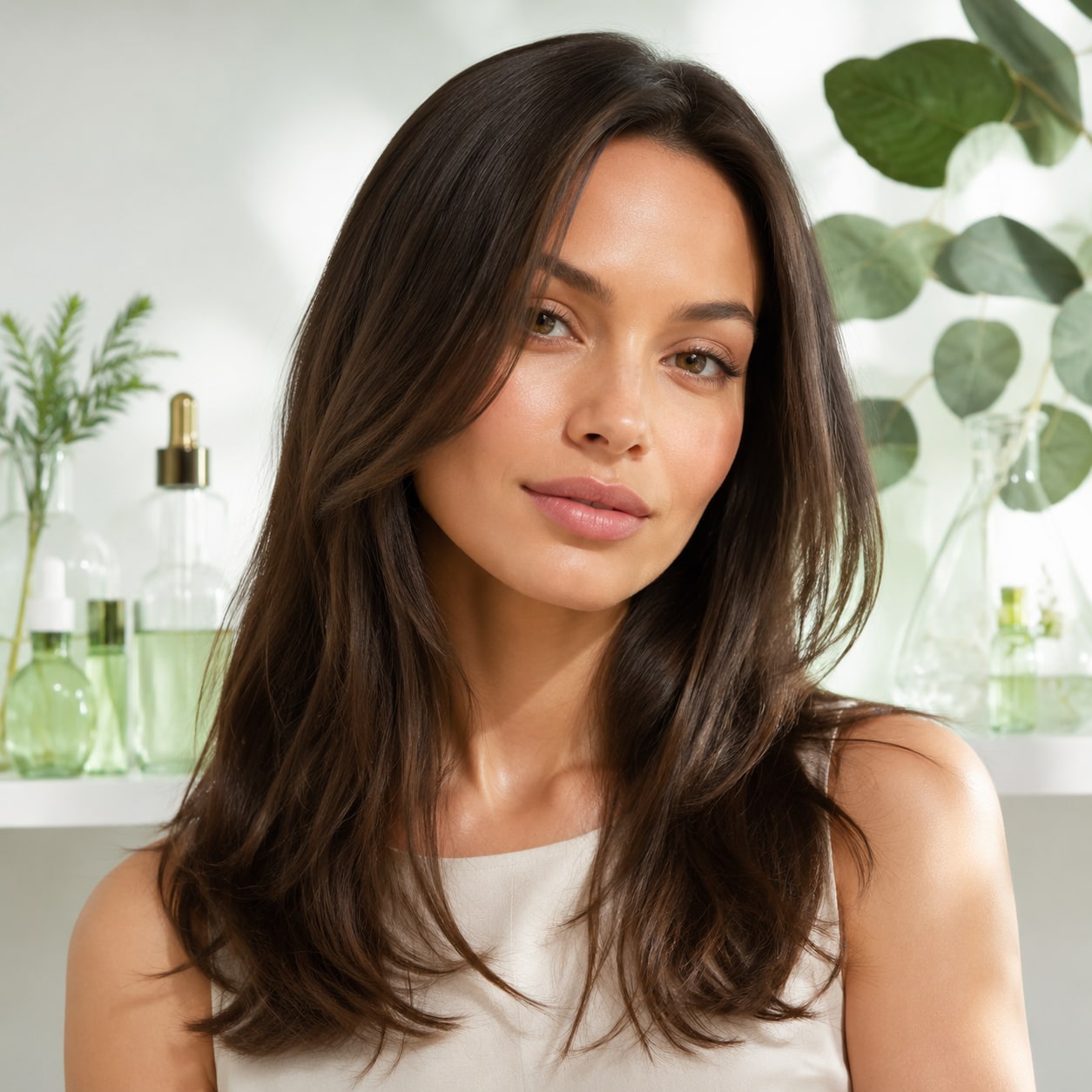
Stop fine hair from poofing in humid weather without weighing strands down. Cuticle sealing for delicate textures.

Learn how to tell if humidity is your main frizz trigger with a simple checklist. Weather, timing, and texture clues.
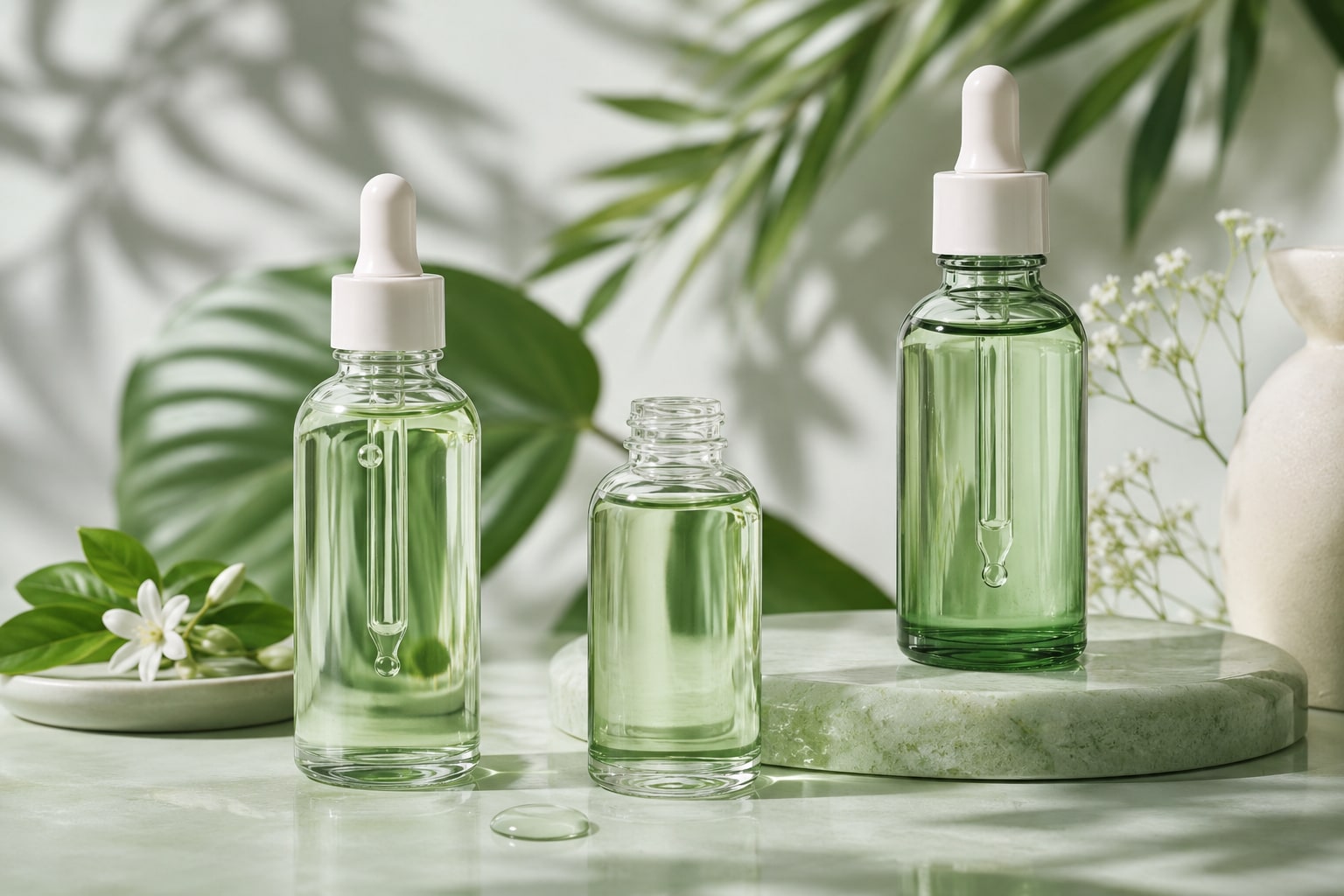
Serums, gels, creams, and tools that block moisture at the cuticle. Product types for humid weather—not brand hype.
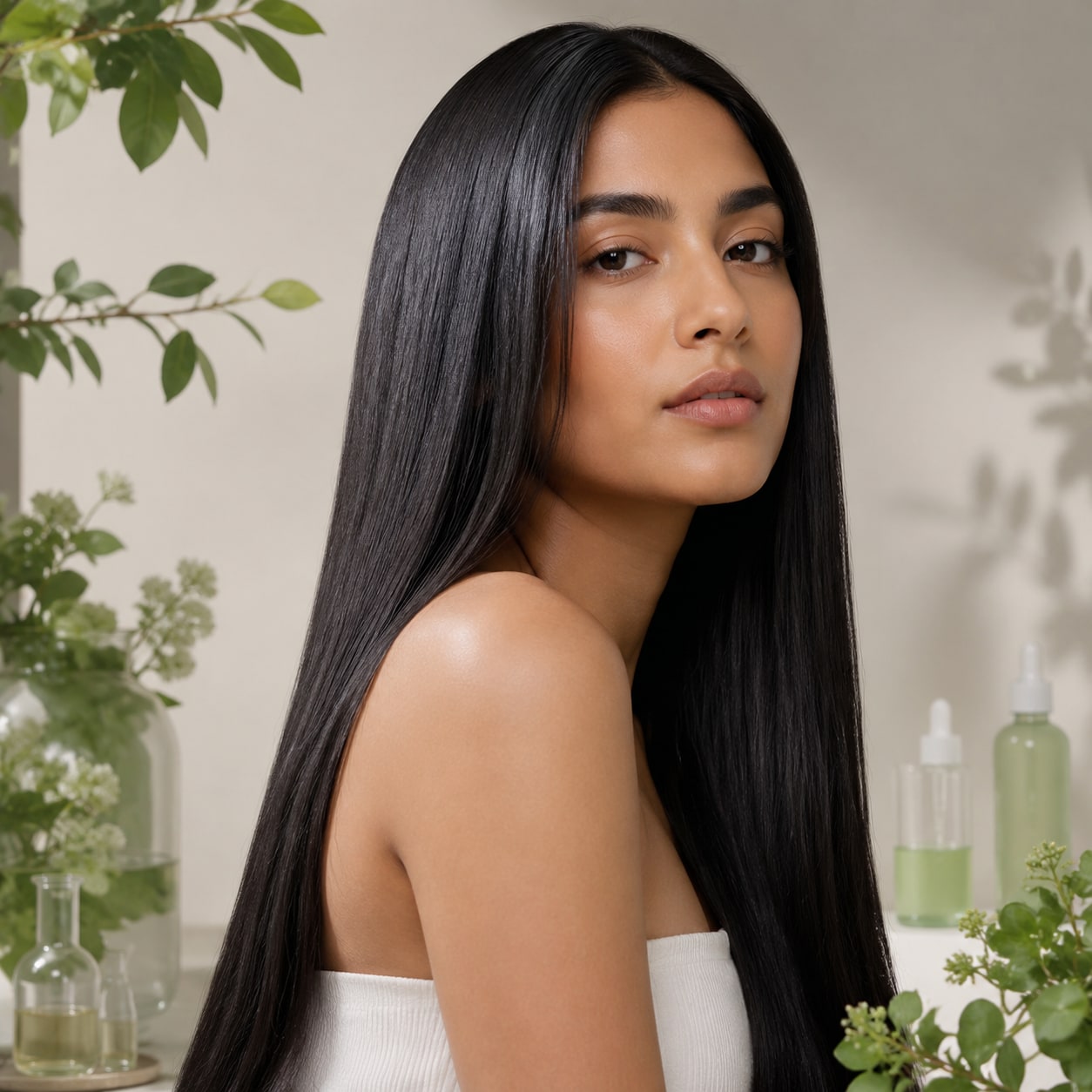
Manage halo frizz and root puff on straight hair when humidity rises. Cuticle sealing without losing sleekness.
Humid air adds water molecules to raised cuticle scales, swelling the cortex and pushing strands apart. Smooth, sealed cuticles resist this exchange; damaged or porous hair absorbs moisture faster.
Yes. Even straight textures frizz when cuticles lift from heat damage, overwashing, or insufficient sealing. The pattern looks like a halo or puff at the crown rather than undefined curls.
Track weather and wash-day timing. If frizz appears within hours on muggy days but stays smooth in dry weather, humidity is likely your primary driver.
Film-forming ingredients like silicones and polymers create a barrier that slows moisture penetration. They work best on clean, evenly coated hair—not as a fix for severely lifted cuticles.
Glycerin pulls water from the air when humidity is above roughly 60 percent, which can increase puffiness on some hair types. Pair humectants with sealing layers in high humidity.
Weekly frizz fixes — no spam.