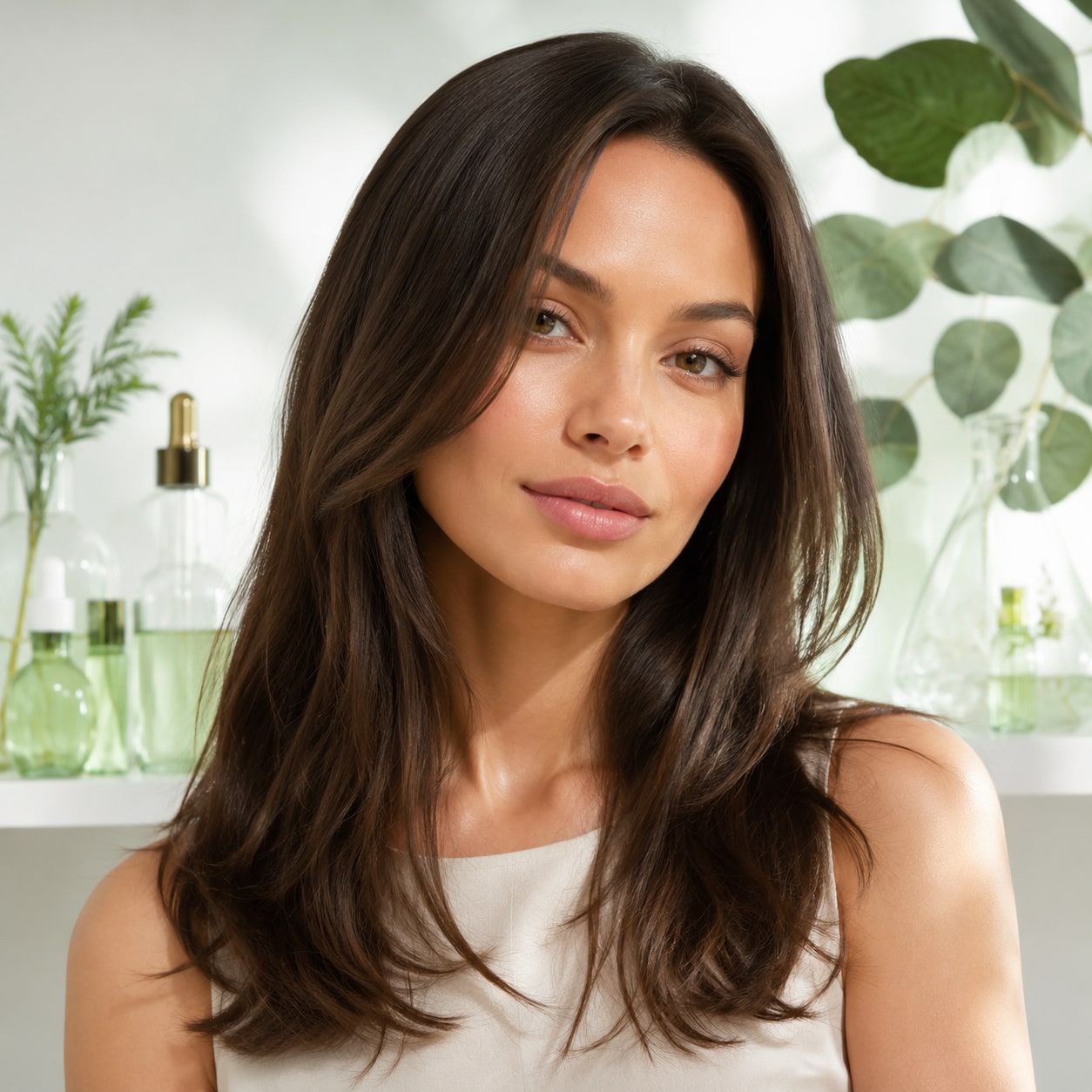
Fine Hair Frizz
Fine Hair Frizz — Flyaways, Static & Poof
Why fine strands frizz as flyaways and volume you did not ask for—and how to seal cuticles without collapse.
Frizzy Hair
Curly Frizz · Updated July 2026
Balance volume and definition on wavy hair without gel cast or heavy products that flatten your pattern.
Frizz happens when cuticle scales lift and allow uneven moisture exchange—and wavy hair sits in a delicate middle zone where straight-hair habits flatten your pattern while curly-hair routines weigh it down. Type 2A and 2B waves form loose bends that frizz as undefined volume: root puff, separated sections, and a halo of stray strands where a smooth wave should flow.
Your mechanism is the same as tighter curls—lifted cuticles plus insufficient hold—but your product weights and techniques differ.
Wavy strands have fewer bends than coily hair, so:
The sweet spot is light moisture plus flexible hold applied below the crown when possible.
Return to curly frizz hub for pattern overview.
Try the plopping method for five to ten minutes to encourage clumps.
Humid days: Add light gel over leave-in; consider humidity curly guide strategies.
Dry days: Richer leave-in, skip heavy gel cast; see winter frizz.
Run the frizz diagnostic if unsure which dominates.
Diffuser on low heat with hover technique dries faster without destroying clumps. Do not insert hair deeply into bowl until partially set—excess airflow separates waves.
Full technique: diffuser guide.
Compare serum vs cream before adding new products.
Mist with water, tiny amount of leave-in, scrunch. Avoid re-gelling entire head unless wash day is near—buildup flattens waves over time.
For definition maintenance, read curl definition.
Wavy frizz is lifted cuticles plus insufficient flexible hold on loose bends. Use lightweight moisture, scrunch-friendly hold, gentle drying, and cause-matched seasonal tweaks. Stay lighter than coily routines; stay more structured than straight-hair smoothing alone.
Frizz control improves when you treat each wash cycle as a controlled experiment rather than a new product hunt. Hold technique, timing, and dose constant for at least three cycles while changing only one variable—gel amount, dry method, or overnight protection. Note weather, indoor humidity if known, and how hair looked at four hours and end of day. Patterns emerge faster than switching bottles weekly.
Working routines show reduced styling time, fewer mid-day touch-ups, and frizz that stays localized (ends only) rather than global puff. If frizz shrinks but returns at the same time daily, check environmental triggers—commute humidity, gym showers, or office HVAC—before blaming product failure.
Persistent breakage, patchy hair loss, or sudden texture change after chemical service needs stylist or dermatologist input—not more anti-frizz serum. Trims every eight to twelve weeks remain part of maintenance even when routines stabilize; split ends cannot be sealed permanently at home.
Document hair at the same time of day under similar indoor lighting weekly. Compare photos before changing products again. Frizz improvement is often incremental—half-point reduction in daily touch-ups counts as success. Share notes with stylist so trims and chemical services align with your frizz cause profile.
Social media often recommends single-product miracles without cause context. If a creator has fine 2A hair, their humidity routine may fail on 3B high-porosity hair. Borrow techniques, not exact products, unless cause and texture match yours closely.
Crown hair is often finer and receives more handling during drying. Lifted cuticles plus humidity create root puff while lengths stay wavier.
Hard cast gels can weigh 2A hair. Lightweight mousse or light-hold gel applied to mid-length down often defines without crunch.
No. Skipping conditioner increases cuticle friction. Use lightweight formulas rinsed well at the root.
Wide-tooth comb or finger detangling preserves clumps better than brush bristles, which break wave groups into frizz.
Weekly frizz fixes — no spam.
Why fine strands frizz as flyaways and volume you did not ask for—and how to seal cuticles without collapse.
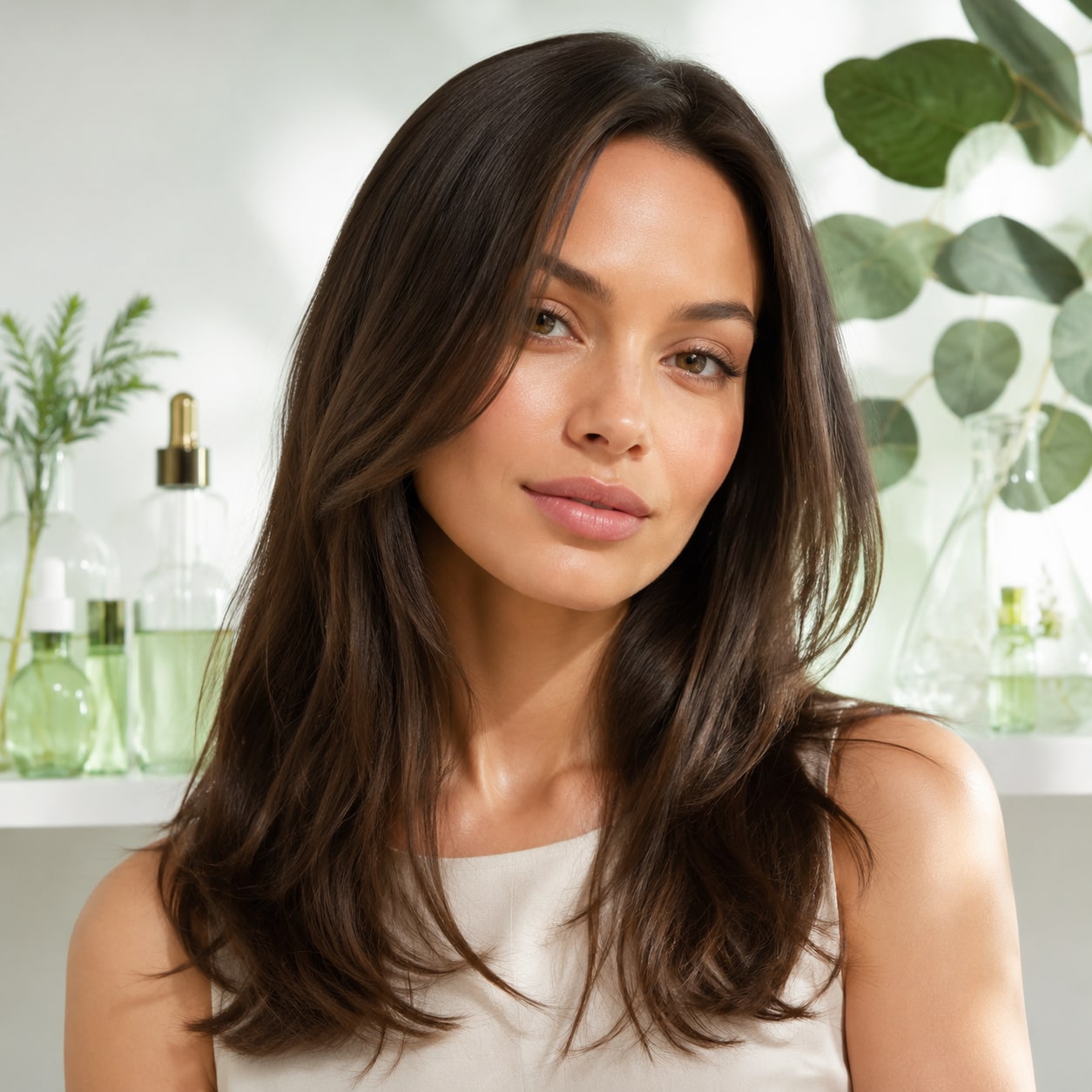
Stop humidity and product mistakes from turning fine hair into frizzy, root-lifted poof without killing body.
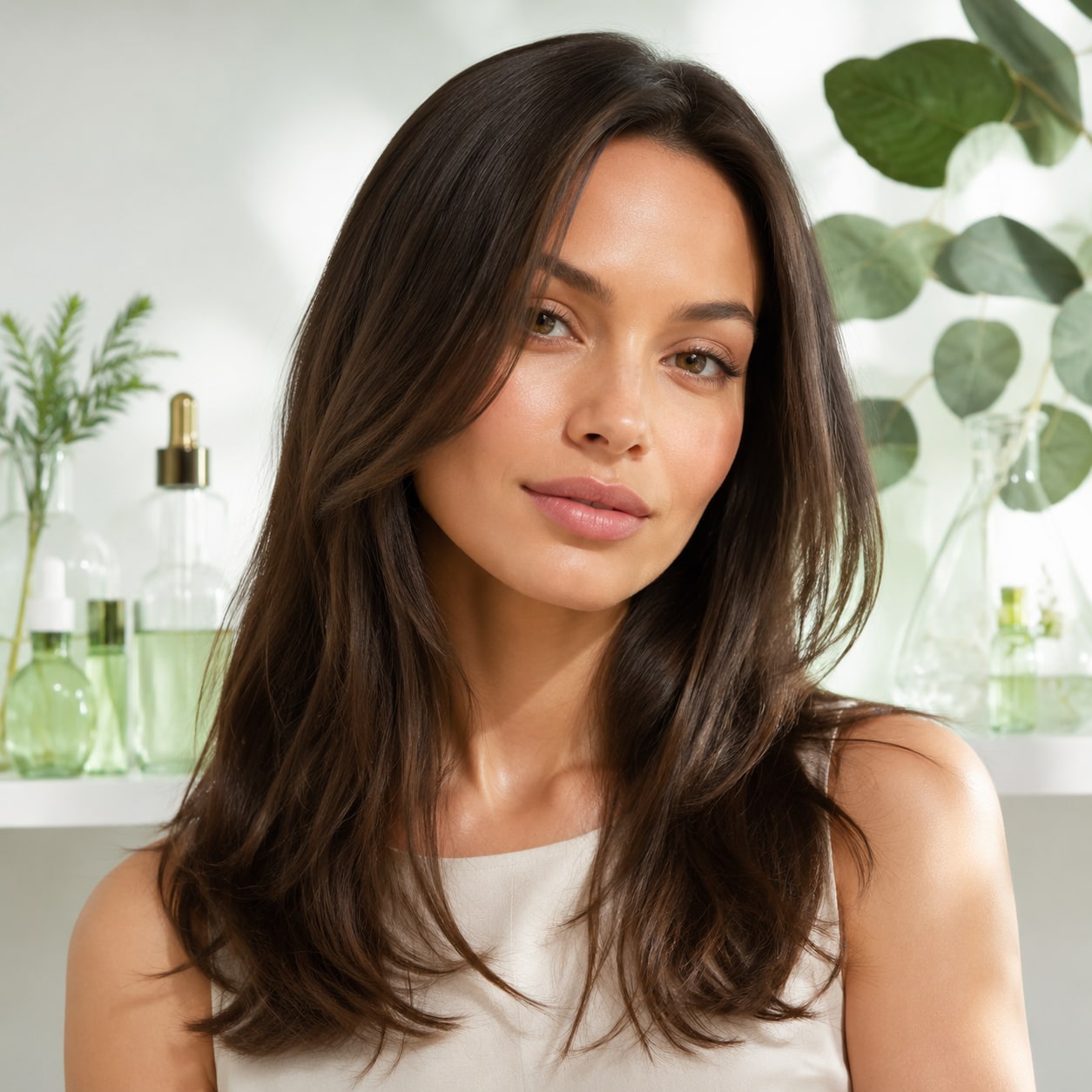
Stop fine hair from poofing in humid weather without weighing strands down. Cuticle sealing for delicate textures.